
Do Rats Really Come from the City Sewer?
This is a question I get asked almost every day: “Do rats really come from the city sewer?”
Most plumbers think I’m nuts when I ask them if they’ve seen rats in sewer lines, but the truth is — city sewers are heavily infested with rodents.
My name is Louis Rico, president and founder of American Rat Control, Inc.®. I’ve worked in pest control for over 41 years, starting with small companies in West Los Angeles in 1984 before founding American Rat Control in 2001. Over the years, I’ve learned that sewer systems are one of the most overlooked entry points for rodents into Los Angeles homes.
How I Discovered Rats Enter Through Sewers
In the early years of rodent proofing, I often ran into puzzling situations. I would completely seal a home — no roof gaps, no foundation openings, no vents left exposed — and yet, rats were still getting inside.
One breakthrough came while working at a customer’s home. We had screened off a t-vent on the roof, which protects the attic from rain. I thought I had blocked rodents from jumping in from the outside. But the rats weren’t coming from outside at all — they were climbing up through the sewer pipe, under the wire mesh, and straight into the attic.
After screening the sewer pipe itself, the problem stopped. From then on, I started finding the same issue in other homes: broken sewer pipes, chewed ABS plastic, or crumbling cast iron pipes that gave rodents a direct path indoors.
Common Signs Rats Are Entering Through Sewer Pipes
Here are some signs I’ve identified over decades of inspections in Los Angeles, Santa Monica, Encino, and surrounding areas:
- Holes or cracks in sewer pipes under the house or in walls.
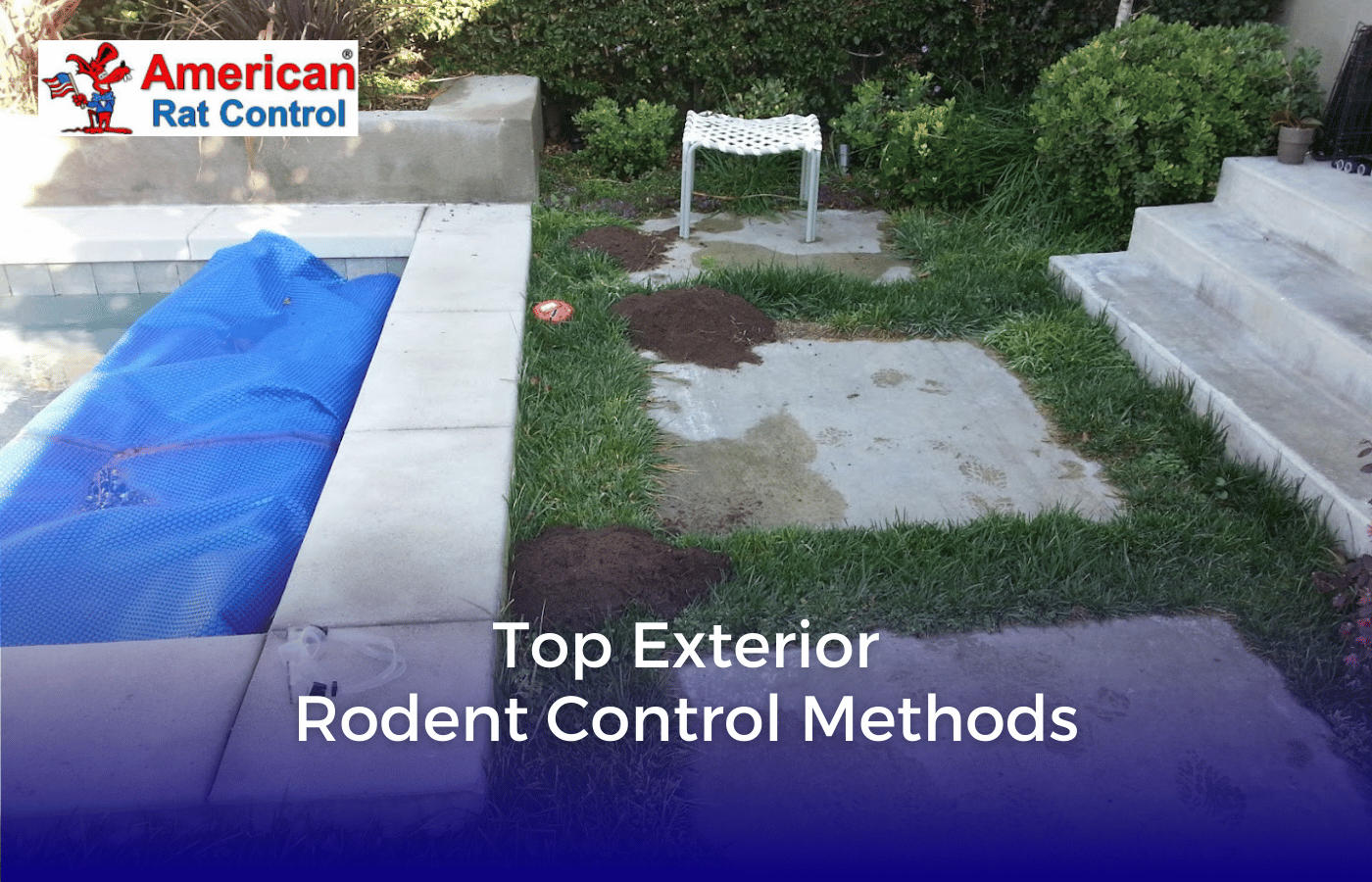
- Mounds of dirt or puddled water near pipes — indicators of chewing or breakage.
- Damaged cleanout caps, often chewed from the inside out.
- Toilet pipe breaks under the house, near the closet flange.
- Customer reports of scratching in bathroom or kitchen walls, where sewer lines run.
- Presence of large American cockroaches, which infest sewers and travel into homes through broken pipes.
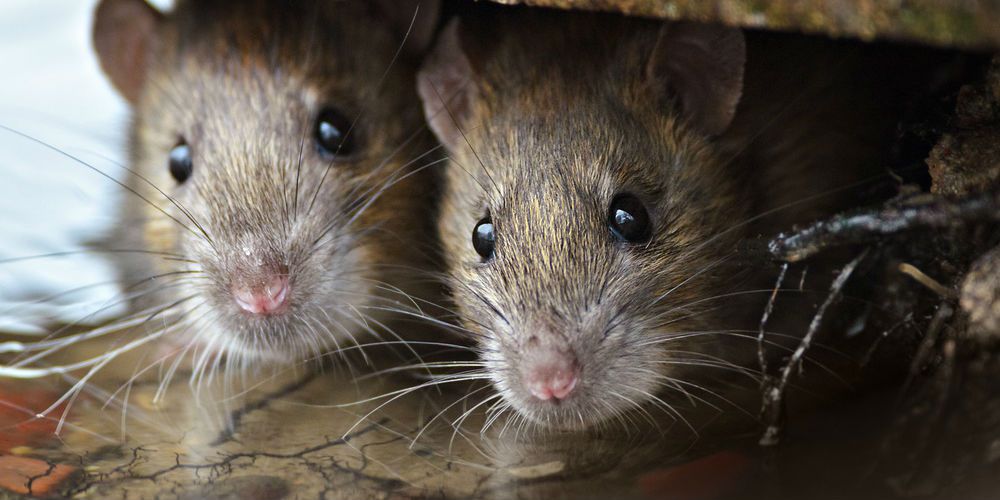
- Unusually large rats caught or seen — sewer rats often grow bigger because they face fewer predators.
Sewer Inspections and Smoke Testing
When rodents are suspected to be coming from sewer lines, a thorough inspection is critical. I often recommend a sewer smoke test if no obvious breach is visible.
Here’s how it works:
- We inject non-toxic smoke into the sewer from roof vents or cleanouts.
- If smoke escapes into the attic, crawl space, or walls, it confirms a breach.
- Once identified, a plumber can make permanent repairs.
In some cases, we can make temporary repairs or install rodent blockers in main sewer cleanouts to prevent rats from traveling through the sewer line into the house.
What Species of Rats Live in the Sewer?
In Los Angeles, the two most common species are:
- Norway rats (Rattus norvegicus) – often found on the Westside.
- Roof rats (Rattus rattus) – more common east of Downtown, though both species overlap.
Both species can use sewer systems to access homes, depending on location and pipe conditions.
Protecting Your Home from Sewer Rats
If you suspect rodents are entering through your sewer system:
- Inspect under the house and near sewer lines for cracks, holes, or dirt mounds.
- Look for large cockroaches in bathrooms, kitchens, or crawl spaces.
- Listen for scratching or movement in bathroom and kitchen walls.
- Call a professional for a sewer smoke test if you cannot find the source.
At American Rat Control, we’ve seen these patterns countless times across Los Angeles. By combining rodent proofing, smoke testing, and sewer inspections, we can stop rodents from using sewers as a hidden pathway into your home.
Call American Rat Control, Inc.® Today
If you think rats are entering your home through sewer lines — don’t wait. The longer the breach is open, the more damage rodents can cause.
📞 Call American Rat Control, Inc.® at 866-728-2878 and schedule a sewer inspection today. We’ll identify the problem and protect your home from rodent invasions.